The Complete Inspection: How Jeremy Fishnick Inspects a Home and Why the Report Looks Different
The first thing most people notice about one of my inspection reports is that it reads like it was written for them, not for another inspector. That is on purpose. I'm Jeremy Fishnick, and when I started The Complete Inspection here in Lancaster, Wisconsin, I had already been on the other side of the table as a Realtor, watching buyers get handed forty pages of boilerplate and no idea which three items actually mattered.
After inspecting hundreds of homes across Grant, Iowa, Lafayette, and Crawford counties, I have a pretty settled way of doing this. This post walks through what I do when I show up at a house, how I organize the report, and why having a real estate license in my other pocket changes the way I write it.
What I'm actually looking for
An inspection is a visual, non-invasive look at the condition of the home on the day I'm there. I'm not tearing open walls, and I'm not predicting the future. What I am doing is working systematically through every system and component I can reach, and writing down what I see. The big buckets are the same on every house:
- Structure and foundation: cracks, bowing, water staining, evidence of past movement or repairs, and how the grading and downspouts move water away from the house.
- Roof, flashing, and gutters: remaining life, missing or lifted shingles, how the chimney and vents are sealed. I get on roofs when it's safe to do so.
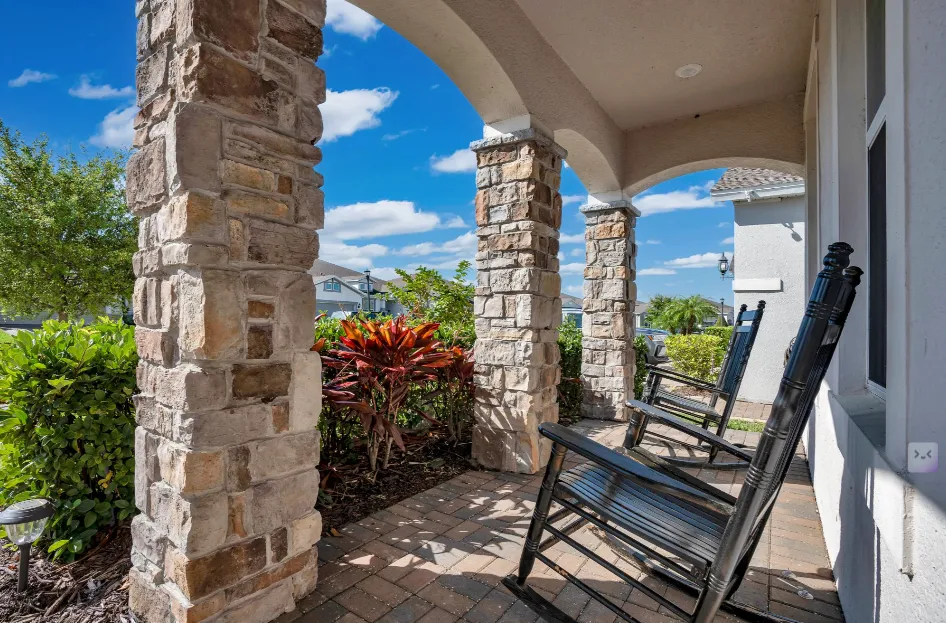
- Exterior: siding, trim, windows, doors, decks, and porches. A lot of our older Driftless homes have a porch that looks fine from the sidewalk and tells a different story from underneath.
- Electrical: panel type and condition, grounding, double-tapped breakers, GFCI protection, aluminum wiring, and how many "handyman" additions have shown up over the years.
- Plumbing: supply and drain materials, water heater age and venting, visible leaks, functional flow and drainage at every fixture.
- Heating and cooling: furnace age and operation, filter condition, flue, condensate, and whether the AC is cooling like it should.
- Attic and insulation: ventilation, moisture, insulation depth, bathroom fans that vent into the attic instead of outside.
- Interior: windows that don't latch, doors that rub, staining on ceilings, signs of moisture in basements.
On rural properties I'm also paying attention to the well equipment and the septic components I can see, and I'll talk with the buyer about radon testing, which is common in our part of Wisconsin. If you want the longer version of what gets flagged most often around here, I wrote it up in What a Home Inspector Looks For in Southwest Wisconsin.
How the day goes
I block real time for an inspection. A typical house takes me a few hours, and older or larger homes take longer. I start outside, walk the full perimeter, then the roof, then work from the basement up. I photograph everything, and for anything that moves or makes noise, I take video. Buyers are welcome to be there, and I would rather you were. The most useful part of the inspection is often the walkthrough at the end, where I show you what I found and explain it while we're standing in front of it.
One of my inspection clients, Brandon M., put it this way: "He took the time to explain everything in clear, easy-to-understand terms. The inspection report was detailed, well-organized, and delivered promptly." That is the goal every time.
Why the report looks different
Here is where the dual license shows up. I've sat with buyers as their agent while they tried to decide what to ask the seller to fix. I know what a seller's agent will push back on, what a lender will care about, and what is just cosmetic. So the report is built around decisions, not around covering myself.
It separates the serious from the small
Every item is categorized so you can see at a glance what is a safety concern, what is a repair that will cost real money, what is maintenance, and what is simply an observation. A missing outlet cover and a cracked heat exchanger should not sit side by side in the same font with the same weight.
Every finding has a picture or video
If I say the flashing at the chimney is lifted, there is a photo with an arrow on it. If a furnace is making a sound it shouldn't, there is a clip. One client, Jennifer N., described the report as "super thorough with pictures and videos," and that matters when you're sending it to a parent two states away or to a contractor for a quote.
It is written in plain language with a recommendation
I tell you what I saw, why it matters, and what I would do about it: monitor it, have a licensed trade evaluate it, or fix it before closing. I am not a plumber or an electrician, so when something needs a specialist, I say so.
It is built to be used again
A good report doubles as the maintenance list for your first year in the house. Mandy Jo C. told me years after her inspection, "I still use his reports for reference." That is exactly how it should work.
What I will not do
I won't soften findings to help a deal close, and I won't inflate them to look thorough. An inspector who scares people out of every house is as useless as one who misses things. Buyers in Lancaster, Platteville, and Cuba City are often looking at homes that are 80 to 120 years old. Old is not a defect. My job is to tell you which of the things you're looking at are normal for the age of the house and which ones are real problems.
I also won't tell you whether to buy the house. That's your call. I'll make sure you're making it with a complete picture.
Inspections for sellers, too
More sellers are hiring me before they list, so they can fix what they choose to fix and disclose the rest on the Real Estate Condition Report with confidence. It takes a lot of surprise out of the process. If that's something you're considering, read Pre-Listing Home Inspection in Wisconsin.
Scheduling and turnaround
Scheduling is simple. Call or text, tell me the address and your inspection deadline, and I'll fit it in. I've worked around tight timelines many times. One agent, Jeni O., wrote that I "fit in a last minute inspection my buyer's lender was requesting" and the closing stayed on schedule. Reports go out promptly, usually the same day or the next morning, so you have time to act within your contingency window.
Talk to Jeremy
If you're under contract on a home anywhere in southwest Wisconsin and want a report you can actually use, or you're a seller who wants to know what a buyer's inspector is going to find before they find it, I'm Jeremy Fishnick with The Complete Inspection. Call or text 608-732-2564, or start at jeremyfishnick.com. I'd be glad to walk the house with you.


