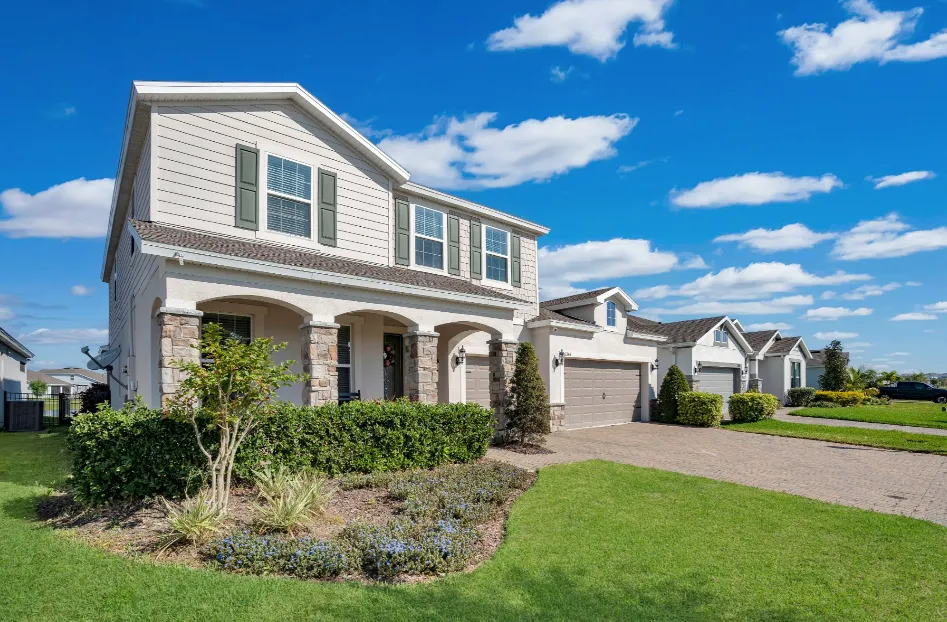
Roof Inspections: What I Can Tell From the Ground, the Attic, and the Shingles
"How's the roof?" is the first question most buyers ask me when I climb down the ladder, and it deserves a better answer than "looks okay." A roof is one of the largest single expenses a homeowner faces, and in southwest Wisconsin it takes a beating: freeze-thaw cycles, ice dams, hail, 90-degree Julys, and the occasional straight-line wind off the ridge. I'm Jeremy Fishnick, a licensed home inspector and Realtor based in Lancaster, and this post explains how I actually evaluate a roof, where I look from, and what each vantage point can and cannot tell you.
The short version is that a roof inspection is really three inspections: from the ground, from the attic, and from the surface itself. Each one catches things the others miss.
From the ground
I start with a slow walk around the house, and I spend more time on it than people expect. From the ground, with a good eye and sometimes binoculars or a drone, I'm reading the overall shape and condition:
- Sagging ridges or dips in the plane. A roof should run in straight lines. A dip usually means a framing issue, a rotted sheathing section, or a load problem, and it points me to exactly where to look in the attic.
- Shingle condition at a glance. Curling edges, cupping, missing tabs, and uneven color patches from granule loss all show up from the yard.
- Multiple layers. At the eaves and rakes I can often see whether the roof has been layered over. Two layers of shingles are common on older homes around here; three is a red flag for weight and for what is hiding underneath.
- Flashing and penetrations. Chimneys, plumbing vents, skylights, and the wall-to-roof transitions on additions are where roofs leak. From the ground I can see missing or lifted flashing and tar patches that tell me somebody has been chasing a leak.
- Gutters and downspouts. Granules collecting in the gutters, downspouts that dump next to the foundation, and gutters pulling away from the fascia all connect back to roof and water management.
- Fascia, soffit, and trim. Peeling paint and soft spots along the eaves usually mean water has been running where it shouldn't, often from ice dams.
What the ground view cannot tell me is how many years are left. Age and remaining life are estimates, and I give them as ranges with the reasoning behind them, not as a promise.
From the attic
The attic is where the roof tells the truth. If I can get into it safely, I'm there with a flashlight and a moisture meter, and this is what I'm looking for:
- Water staining on the underside of the sheathing and rafters. Dark rings, white mineral deposits, or streaks running down from a nail or a seam. I note whether staining reads as old and dry or active and damp.
- Daylight where it shouldn't be. Around chimneys and vents especially.
- Sheathing condition. Delaminated plywood, spongy boards, and the dark, fuzzy discoloration that comes from chronic condensation.
- Ventilation. Blocked soffit vents, missing baffles, bathroom fans dumping into the attic instead of outside. Poor ventilation shortens shingle life from underneath and feeds ice dams in winter.
- Insulation depth and condition. Not strictly a roof item, but inseparable from the moisture picture up there.
- Framing. Cracked or cut rafters, undersized members on an old addition, and the improvised repairs you find in farmhouses that have been added onto four times.
I'll be candid about the limits here too. Some attics are not accessible, or are so full of blown-in insulation that I can only inspect from the hatch. When that happens, I say so in the report rather than implying I saw what I did not.
On the shingles
When the pitch, weather, and material allow it, I walk the roof. When they don't, I inspect from the ladder at the eaves and use a drone for the rest. Walking a wet slate roof or a steep metal roof is how inspectors get hurt and damage property, so I make that call on site.
Up close, I'm checking:
- Granule loss and exposed asphalt mat, which is the shingle wearing through.
- Brittleness. Older shingles crack rather than flex when lifted gently at the edge.
- Nail pops and exposed fasteners, especially on ridge caps and flashing.
- Hail bruising, which looks like soft dark spots with displaced granules. Several of our towns have had hail events in recent years, and a roof that looks fine from the street can be badly bruised.
- Sealant condition at pipe boots, where the rubber collar cracks and leaks long before the shingles are done.
- Valleys, which collect debris and wear faster than the field of the roof.
- Moss and lichen on north slopes shaded by trees, which hold moisture against the shingle.
On metal roofs, which are common on rural houses and outbuildings here, I'm looking at fastener condition, rust at the laps, and whether the panels were installed over old shingles with proper strapping.
What a roof finding means for your purchase
A roof report falls into roughly three buckets:
- Serviceable with maintenance. Reseal a pipe boot, clean the gutters, trim the branch rubbing the ridge. This is most roofs.
- Nearing the end of its life. No active leaks, but the shingles are brittle and losing granules. You should budget for replacement in the next few years, and that is a fair point to raise in negotiation.
- Active problem. Wet sheathing, visible leaks, structural sagging, or a roof that is clearly beyond repair. This is where you get a roofing contractor's estimate before your inspection contingency expires.
For how those findings translate into a repair request or a credit, see my post on negotiating repairs after a home inspection in Wisconsin. If you're on the selling side and wondering whether to replace before listing, I covered that in what to fix before selling in southwest Wisconsin.
A note on insurance
Roof age increasingly matters to insurers, and some carriers will ask for the age or a photo before binding a policy. If I estimate a roof is in its last stretch, call your insurance agent before you close, not after. It is a five-minute conversation that can save you from a surprise.
Why I inspect the way I do
Being both the inspector and a working Realtor shapes how I write these reports. I've sat on the buyer's side of the table when a roof finding comes up, and I know the difference between a scary-sounding photo and a real problem. One client, Jennifer N., described her report as "super thorough with pictures and videos," and that is deliberate. You should be able to see what I saw, from the ground, from the attic, and from the shingles, and understand why I wrote what I wrote.
Talk to Jeremy
Buying a home in Lancaster, Platteville, Dodgeville, Boscobel, or anywhere in the Driftless Area and want the roof looked at properly? Call or text me, Jeremy Fishnick, at 608-732-2564. Inspections run through The Complete Inspection, and if you're still looking for the right house, start at jeremyfishnick.com/phf.


